
The European Union has entered a state of emergency as the conflict in Iran sends shockwaves through the global energy grid, causing natural gas prices to surge by over 50%. On Monday, energy ministers from all 27 member states gathered in Brussels to discuss how to contain the economic fallout. The talks are a precursor to a major summit where heads of state will vote on a package of emergency subsidies and market interventions.
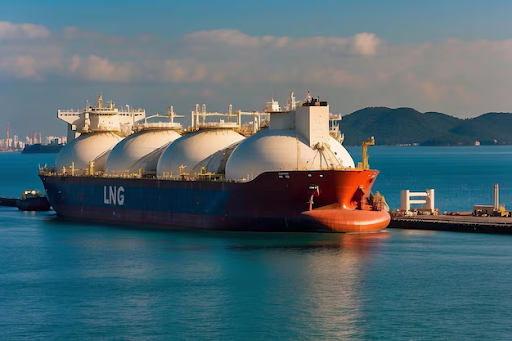
The bloc is currently facing a double-sided challenge: a massive increase in the cost of fuel and a decrease in the availability of Qatari LNG. While the EU has diversified its suppliers since 2022, it remains highly sensitive to global price fluctuations. Officials in Brussels are now drafting plans to increase the supply of carbon emission permits, which they believe could provide a “soft landing” for power prices.
Dan Jorgensen, the EU’s energy chief, noted that while the “physical security” of supply is not in danger, the “economic security” of the region is under threat. He ruled out a total redesign of the electricity market for now, preferring to focus on tax cuts that can be implemented quickly. This conservative approach has frustrated some members, like Austria, who believe the current crisis exposes fundamental flaws in the European power grid.
The International Energy Agency has tried to mitigate the damage by authorizing the release of 400 million barrels of oil. This unprecedented move is aimed at calming the oil market, where Brent crude has surged due to the closure of the Strait of Hormuz. Despite this, fuel prices at the pump have continued to rise, leading countries like Croatia and Hungary to bypass Brussels and set their own price ceilings.
As the bloc prepares for Thursday’s summit, the financial burden of the crisis is becoming clear. Analysts estimate that the surge in prices has already cost the European economy billions of euros in extra import fees. The final plan will likely be a mixture of national tax breaks and a more flexible carbon market, aimed at providing immediate relief before the winter heating season begins.