
The Labour government’s efforts to tackle the cost-of-living crisis are being tested by external events as conflict in the Middle East drives up energy costs. The OBR reports that the US and Israel’s military actions in Iran have created an energy price shock that could sustain inflation at 3%. This is a significant setback for Chancellor Rachel Reeves, who has made lower bills a cornerstone of her policy agenda.
Market data reveals a stark increase in energy costs, with gas prices up by more than half since the bombing began. David Miles of the OBR noted that these figures translate into a “material” increase in living costs for the average British household. While oil prices have shown some signs of retracing from their $100 highs, they remain much higher than they were just a fortnight ago.
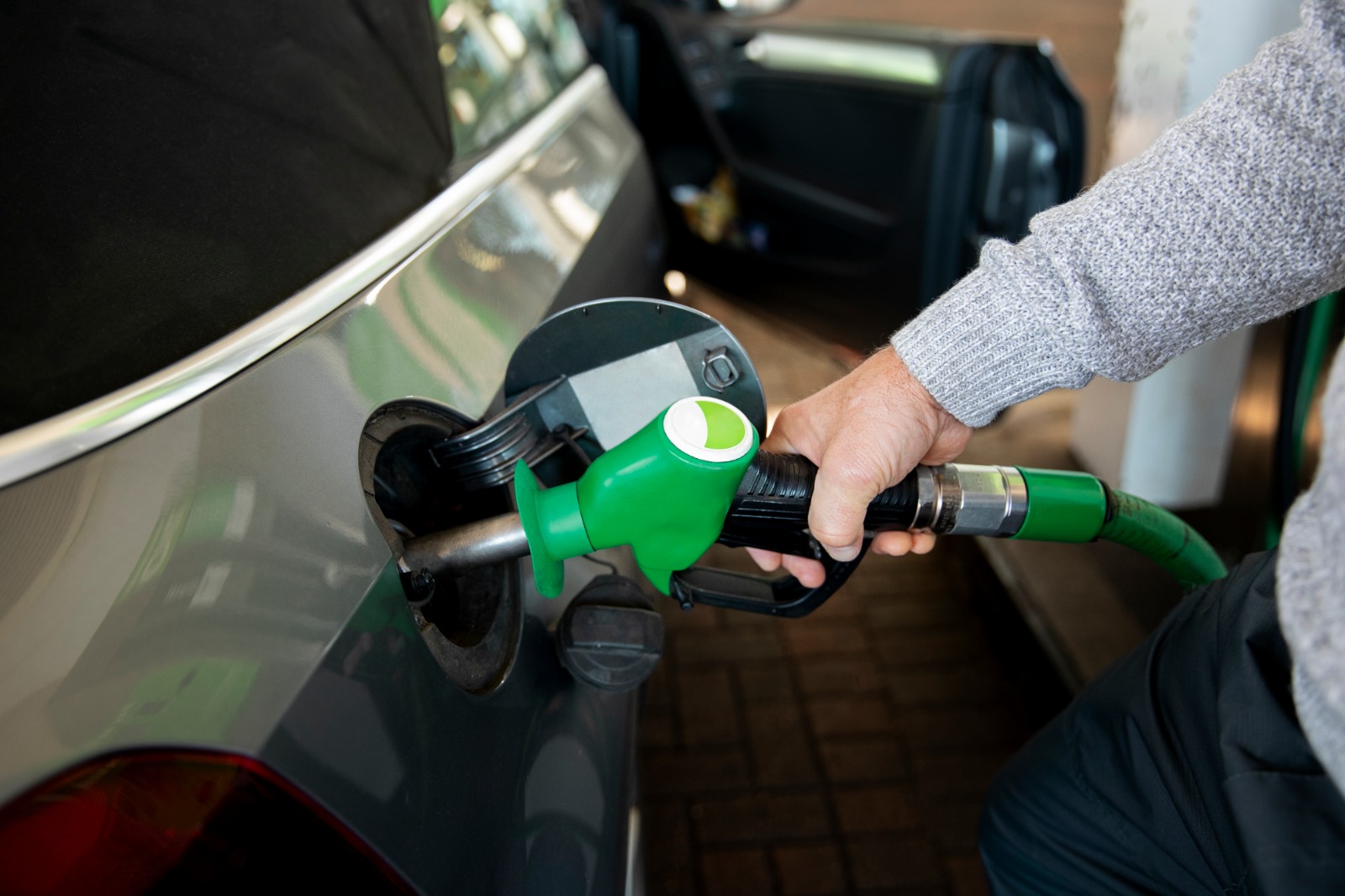
The political response has been one of cautious observation mixed with firm rhetoric against retailers. Chancellor Reeves has met with petrol companies to discuss the rapid rise in prices at the pump, which reached nearly 180p in some areas. She maintains that de-escalation of the overseas conflict is the only sustainable way to bring prices down and stabilize the domestic economy.
For the average citizen, the most immediate consequence of this crisis is the likely delay in interest rate reductions. The Bank of England is widely expected to pause its rate-cutting cycle to evaluate the inflationary impact of the Middle East war. This means that mortgage holders and businesses will continue to face high borrowing costs for the foreseeable future.
The OBR’s analysis also highlights the fiscal challenges facing the Treasury. With only £23bn in borrowing headroom, the government is poorly positioned to absorb a massive energy price spike. Unlike the 2022 crisis, where £50bn was deployed for support, the current administration must rely on market stabilization and diplomatic efforts to protect the economy.