
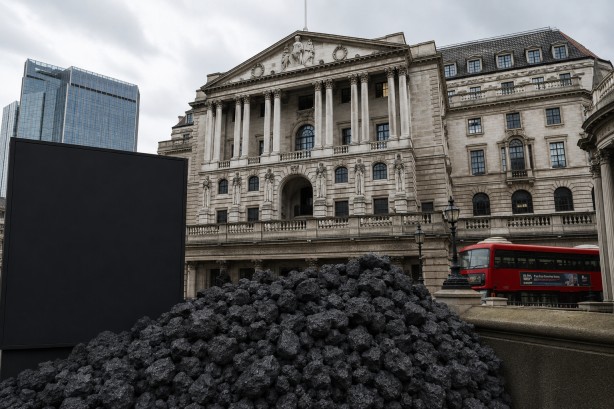
In a decisive move to address climate-related financial risks, the Bank of England has declared that starting in October, it will no longer accept bonds tied to thermal coal companies as collateral for its lending operations. This strategic shift highlights the central bank’s commitment to mitigating environmental impacts within the financial sector.
Thermal coal, a fossil fuel commonly used in power plants to produce electricity, is at the center of this new policy. Commercial banks typically use bonds as collateral when they need to borrow funds from the central bank to facilitate daily operations and transaction settlements. By excluding bonds associated with thermal coal, the Bank of England signals a significant change in its approach to climate risk management.
The central bank emphasized that companies heavily involved in thermal coal are facing escalating financial risks as the global transition towards cleaner energy sources and net-zero emissions gains momentum. This shift could potentially diminish the value of coal-related assets over time, presenting a challenge for institutions heavily invested in this sector.
Additionally, the Bank of England’s policy includes the option to apply discounts to bonds from other sectors that are susceptible to climate risks, aiming to safeguard its balance sheet against potential financial losses. This measure is seen as a proactive step in aligning financial practices with environmental sustainability goals.
Environmental advocates have praised the initiative, viewing it as a powerful message to financial markets that could inspire commercial banks to reconsider their investments in high-pollution industries. Currently, over 150 major financial institutions worldwide have already enacted restrictions on businesses linked to the thermal coal industry. However, analysts caution that the ultimate success of this policy will hinge on the thorough assessment of climate risks and the potential expansion of similar measures to other environmentally detrimental activities.