
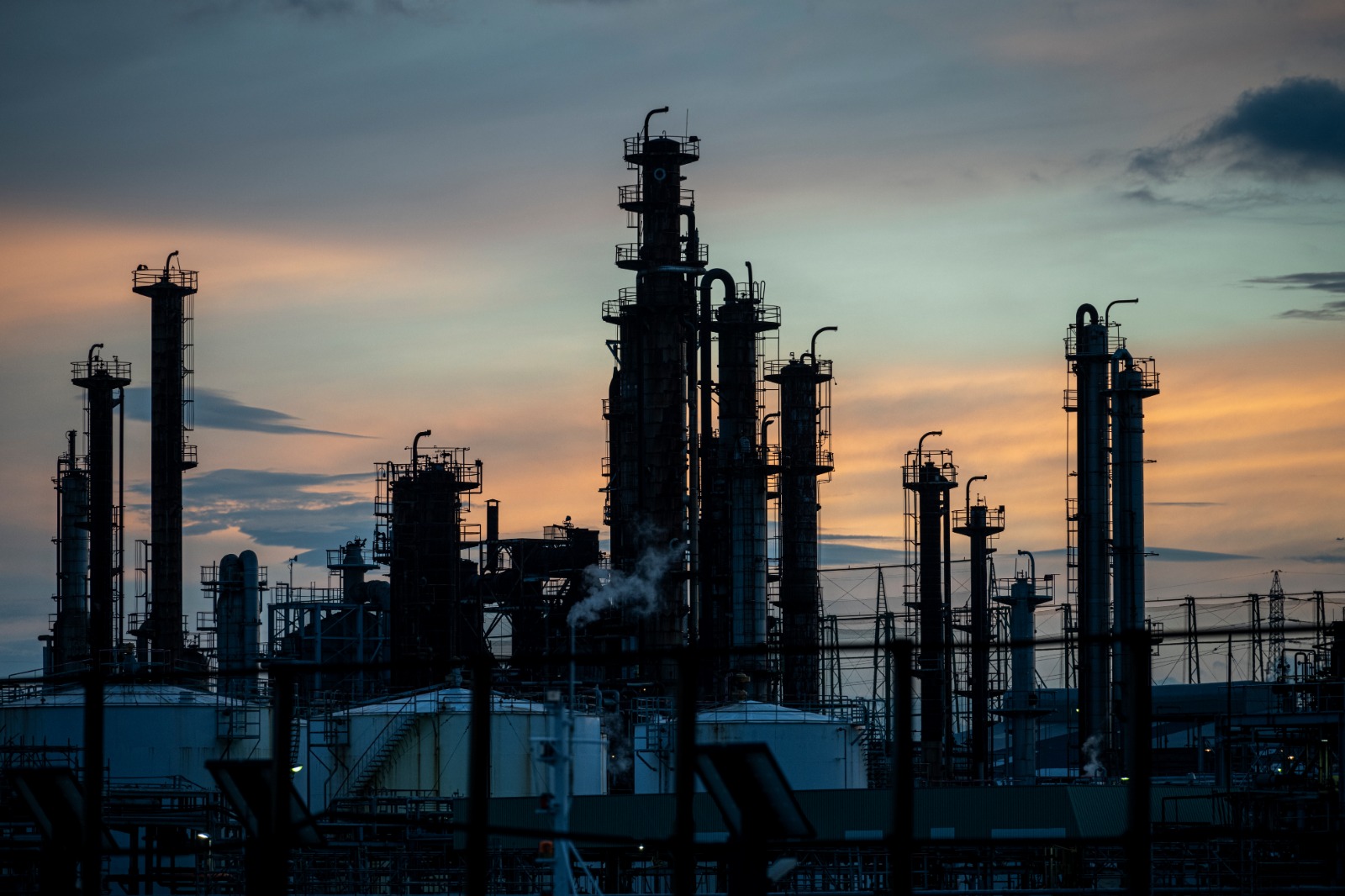
For the first time in four years, the $100 oil barrel has become a recurring reality, driven by a violent escalation in the Middle East. Thursday saw Brent crude rally by 9% as Iranian forces targeted economic assets in Bahrain, Iraq, and Oman. This resurgence in price comes at a time when global governments are trying to dampen inflation by releasing record amounts of emergency crude from their strategic reserves.
The journey to $100 has been a volatile one, with prices starting the year at just $60 before jumping as high as $119 on Monday. While political statements occasionally provided brief relief, the physical reality of drone strikes and tanker seizures has kept the pressure on. The deliberate nature of the attacks on ports like Mina Al Fahal has signaled to markets that the disruption is a calculated move by Tehran.
Logistically, the world is facing a nightmare scenario as the Strait of Hormuz remains blocked. Saudi Arabia’s Aramco has cautioned that the consequences of this closure could be “catastrophic,” affecting nearly every corner of the global market. The situation in Bahrain, where residents were told to remain indoors following strikes on fuel tanks, serves as a grim reminder of the localized impact of this global crisis.
Financial institutions are quickly revising their outlooks to reflect this new reality. Goldman Sachs has raised its Brent forecast for the end of 2026, while Deutsche Bank analysts are sounding the alarm on the risk of stagflation. The concern is that a protracted conflict will not only keep energy prices high but will also cause extensive damage to the underlying infrastructure required for global trade.
To counter these threats, the U.S. and IEA members have committed to a release of 400 million barrels of crude, the largest in history. U.S. Energy Secretary Chris Wright noted that the 120-day delivery window for the American portion of the release would start next week. Whether this massive injection of oil can offset the loss of Middle Eastern exports remains the most pressing question for the global economy.