
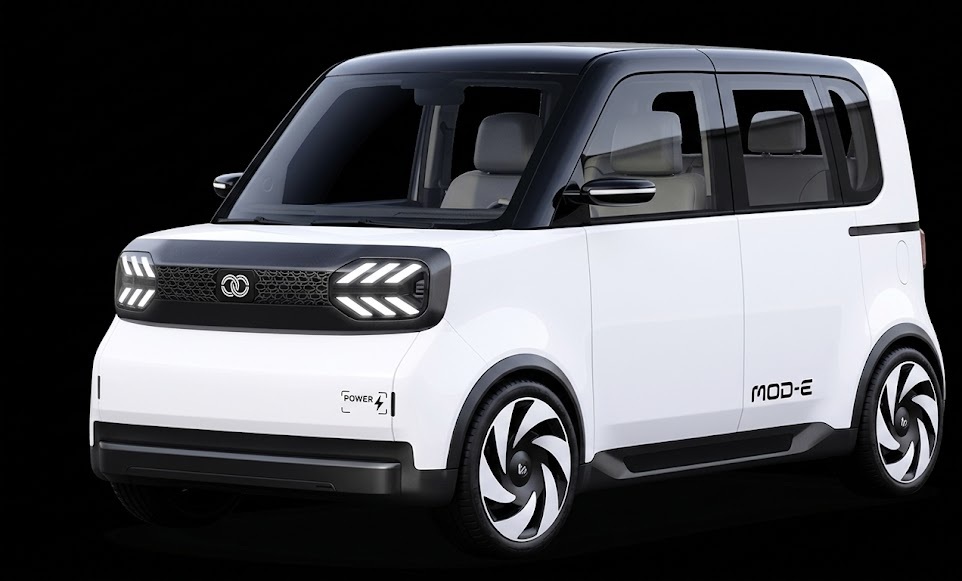
In a strategic move to tap into Japan’s burgeoning electric vehicle market, a coalition of Japanese automotive entities has joined forces with Chinese automaker Chery Automobile to introduce a new electric vehicle brand, EMTA, targeted at Japanese consumers. The inaugural model, a compact electric kei car, is poised to make its debut in 2027, focusing on one of Japan’s key automotive segments.
Yokohama-based EMT Co. unveiled the EMTA brand, signifying a collaborative venture that includes Japanese companies such as Autobacs Seven and Anest Iwata, alongside Chery Automobile, a battery manufacturer, and several other partners. The venture aims to leverage the strengths of both regions, with the vehicle’s planning and marketing concentrated in Japan, while design and manufacturing processes will be conducted in China. The upcoming kei EV is set to feature advanced digital capabilities, such as wireless software updates, smartphone connectivity, and support for automated driving technologies.
With kei cars representing over a third of new vehicle sales in Japan, EMT sees this segment as an ideal entry point for electric mobility solutions. These compact vehicles are typically used for short commutes, which reduces concerns about their driving range. EMT is also considering utilizing selected Autobacs stores as sales venues and has set ambitious plans to roll out three additional electric vehicle models by 2029. Looking ahead, the company is contemplating domestic manufacturing and exploring opportunities to expand into international markets.
This announcement comes amid heightened competition within Japan’s kei EV market. Notably, Chinese automaker BYD is gearing up to introduce its Japan-specific Racco kei EV, while Nissan Motor has broadened its Sakura lineup by adding a more affordable variant. Additionally, Suzuki Motor is on track to release a kei EV within the current fiscal year, and Honda Motor is developing an electric iteration of its popular N-Box model, with a projected launch in 2028.
The influx of new entrants underscores the escalating momentum in Japan’s small electric vehicle sector, as automakers vie to capture the attention of urban drivers who prioritize cost-effectiveness and eco-friendly commuting options. This dynamic landscape is set to reshape Japan’s automotive industry, ushering in a new era of sustainable urban transportation.