
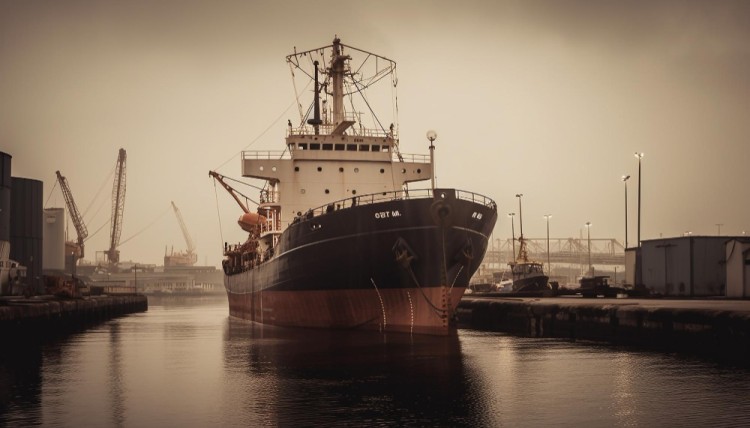
The Strait of Hormuz, a critical artery for global energy transportation, remains a challenging passage for commercial shipping despite a recent agreement between the United States and Iran. Maritime industry leaders have cautioned that normal shipping operations cannot fully resume until the clearance of numerous naval mines in the area. The international tanker owners’ association reports that approximately 80 mines are still present in the central shipping lane, posing a significant risk to commercial vessels navigating the strait.
In response to the hazardous conditions, some ships have started using a narrower route along the Omani coast as an alternative. However, industry experts warn that this detour heightens the risk of groundings and other maritime accidents. Consequently, hundreds of vessels remain anchored in the Gulf, awaiting clearance, as the backlog created by months of disruption is expected to take weeks or even months to resolve. Additionally, shipping companies have raised concerns about electronic signal interference during the conflict, which has disrupted navigation systems and increased the chances of collisions in the already congested waterway.
The continuing difficulties in the Strait of Hormuz have widespread implications, as the waterway is responsible for transporting a significant portion of the world’s oil exports. The ongoing disruptions are likely to have a ripple effect on global supply chains, shipping costs, and energy markets, further complicating an already complex international trade environment.
Adding to the industry’s apprehensions, Iran has proposed the introduction of transit fees for commercial vessels once a temporary toll-free period concludes. This suggestion has been met with resistance from shipping companies, who argue that imposing such charges on international waters would contravene established maritime law. They fear this could set a concerning precedent for other major global shipping routes, potentially altering the landscape of international shipping regulations.