
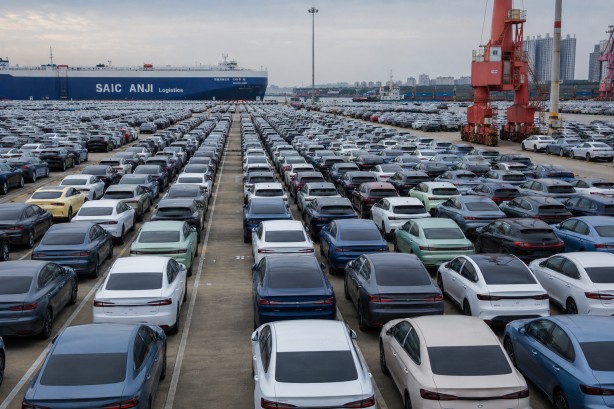
China’s ascent to becoming the world’s largest electric vehicle (EV) market has significantly impacted the global automotive landscape, propelling the growth of major companies and driving advancements in technology. While this swift expansion has positioned the nation at the forefront of battery technology and clean transportation, it has also sparked concerns about potential overproduction and heightened competition within the sector.
Over the last ten years, a combination of government incentives, substantial local investments, and robust consumer interest has prompted numerous enterprises to enter the electric vehicle market. This approach has nurtured the development of some of China’s most prosperous automakers, solidifying the country’s dominance in the industry. However, the rapid pace of growth has, in certain segments, outpaced actual market demand, resulting in factories with production capacities exceeding current needs. This imbalance has triggered price wars and imposed financial strains on the industry.
As competition intensifies, manufacturers are resorting to price cuts to attract customers and increase their market share. This environment poses challenges for smaller companies struggling to maintain their footing, while larger corporations continue to allocate substantial resources towards technology innovation, production capabilities, and international expansion.
Chinese authorities have recently expressed apprehension regarding the risk of overcapacity, cautioning that unchecked growth might pose economic threats. Industry experts emphasize the necessity of achieving a balance between fostering innovation and competition and ensuring sustainable, long-term development within the sector.
Despite these challenges, China continues to lead the global electric vehicle industry, with its manufacturers actively expanding into international markets and playing a pivotal role in shaping the future of transportation.